Whole-Home vs. Partial Backup Generators: Which Is Best for Your Property?
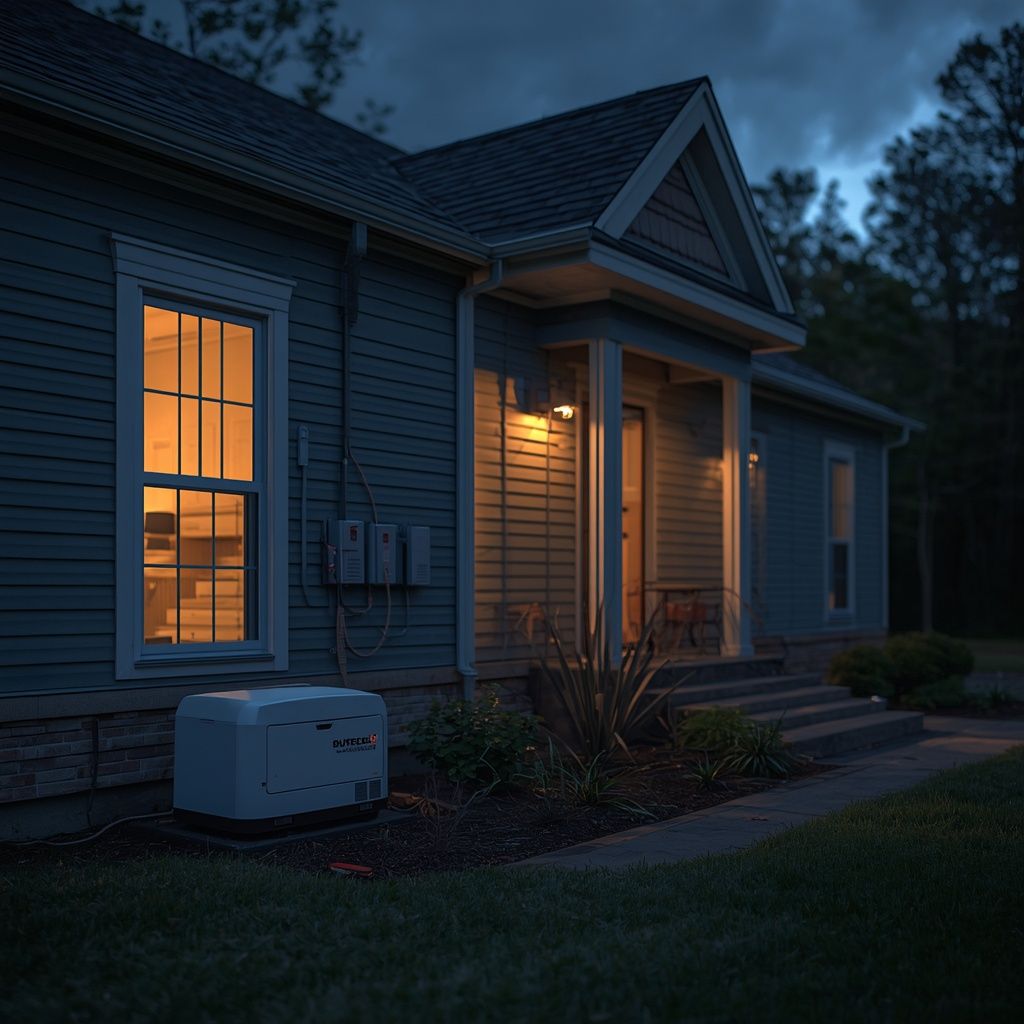
Whole-home generators automatically power your entire property during an outage, offering the most comprehensive protection but at a higher cost. Partial backup generators cover only essential circuits, like refrigerators or sump pumps, making them a budget-friendly option with a simpler installation. The right choice depends on your budget, property size, and how much of your daily life depends on electricity.
Power outages happen more often than most homeowners expect, whether from storms, grid failures, or unexpected equipment issues. When the lights go out, a backup generator can mean the difference between a minor inconvenience and a major disruption to your household or business.
But not all generators are created equal. Homeowners typically choose between two main options: whole-home systems that keep every circuit running, and partial backup systems that focus on the essentials. Understanding how each works, along with their benefits and limitations, will help you make a confident decision for your property.
What Is a Whole-Home Backup Generator?
A whole-home generator is a permanently installed system connected directly to your home's electrical panel. When it detects a power outage, it automatically switches on within seconds, restoring electricity to your entire property without you having to lift a finger.
Benefits of Whole-Home Systems
- Comprehensive coverage: Every appliance, light, and outlet stays powered, from your HVAC system to your kitchen appliances.
- Automatic operation: These systems use a transfer switch that activates the generator automatically, so you don't need to be home to start it.
- Peace of mind: For families with medical equipment, home offices, or businesses that can't afford downtime, whole-home coverage removes the guesswork.
Considerations Before You Invest
Whole-home generators come with a higher upfront cost and require professional installation, often involving permits and inspections. Ongoing maintenance is also part of the deal, since these systems need regular servicing to stay reliable when you need them most.
Who Should Consider a Whole-Home Generator?
Whole-home systems make the most sense for larger properties, households with medical or business needs that depend on consistent power, or homeowners in areas with frequent or prolonged outages.
What Is a Partial Backup Generator?
Partial backup generators, sometimes called portable or subpanel systems, are designed to power a select group of circuits rather than the entire property. Homeowners typically prioritize essentials like the refrigerator, sump pump, a few lights, and perhaps a home office setup.
Benefits of Partial Backup Systems
- Lower cost: Partial systems are significantly more affordable than whole-home units, both in equipment and installation.
- Simpler installation: These systems often require less complex wiring, which can reduce labor time and overall project cost.
- Flexibility: You can choose exactly which circuits matter most to you, and adjust that list over time as your needs change.
Considerations Before You Choose Partial Backup
Partial systems don't cover everything. You'll need to prioritize which circuits matter most, and some models require manual startup rather than automatic switching. That means during a storm at 2 a.m., you might need to head outside to start the generator yourself.
Who Should Consider a Partial Backup Generator?
If you're working with a tighter budget, live in an area with shorter outages, or only need to protect a handful of essential systems, a partial backup generator is often the more practical choice.
Key Factors to Compare Before Making Your Decision
Budget and Upfront Investment
Whole-home systems typically cost more due to their size, automatic transfer switches, and installation complexity. Partial systems offer a lower entry point, making them appealing for homeowners who want backup power without a major financial commitment.
Installation Timeline and Complexity
Whole-home generator installation is a bigger project. It usually requires coordination with your electrical panel, local permitting, and sometimes gas line work. Partial systems tend to install faster and with less disruption to your property.
Fuel Type and Availability
Both whole-home and partial generators can run on natural gas, propane, or diesel. Your choice may depend on what's already available at your property and how easily you can refuel or maintain a consistent supply during an extended outage.
Maintenance Needs and Ongoing Costs
Generators, like any mechanical system, need regular maintenance to perform reliably. Whole-home systems generally require more frequent professional servicing given their size and complexity, while partial systems tend to have lower ongoing maintenance demands.
Coverage Scope and Essential Circuits
Think through what truly needs power during an outage. Medical equipment, security systems, and refrigeration are common priorities. Mapping out these needs early makes it easier to decide which system fits your household.
Making a Confident, Informed Choice
Both whole-home and partial backup generators offer real value, just in different ways. Whole-home systems deliver complete peace of mind and hands-off operation, while partial systems provide a more budget-friendly path to keeping the essentials running.
The best decision comes down to your household's specific needs, your budget, and how much risk you're willing to take on during an outage. Taking the time to have a professional evaluate your electrical panel and discuss your priorities will set you up for a system that actually fits your life, not just a generic solution.
If you're weighing your options and want a clear, honest recommendation, reach out to a trusted electrical panel repair Worcester specialist or a commercial electrician Worcester professional for a consultation. Bogen Electric offers inspections, transparent written quotes, and a no-pressure consultation process to help you find the right fit for your property.
Contact Bogen Electric today to get started.