Why GFCI and AFCI Outlet Upgrades Matter for Modern Home Safety Standards
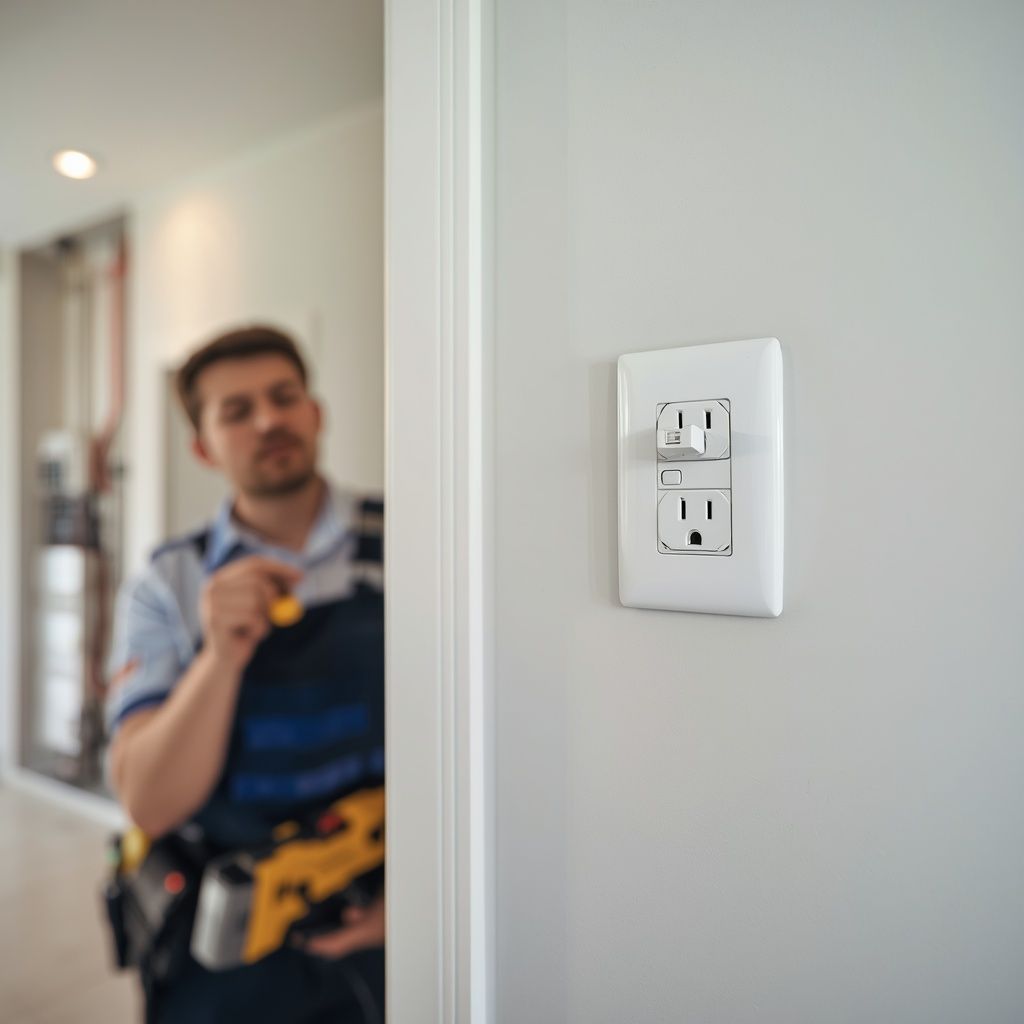
GFCI outlets protect against electrical shock by shutting off power when they detect a ground fault, while AFCI outlets prevent fires by detecting dangerous electrical arcs. Modern building codes require both in specific areas of the home, making these upgrades essential for safety, code compliance, and long-term protection of your property.
Older homes were built for a different era of electrical demand. Back then, a handful of outlets per room was plenty, and nobody worried much about the risks hiding inside outdated wiring. Fast forward to today, and homes are packed with more devices, appliances, and power-hungry electronics than ever before. That shift has exposed real gaps in older electrical systems, and it's a big reason why GFCI and AFCI outlets have become standard safety features rather than optional add-ons.
If you're a homeowner trying to figure out whether your electrical system needs an update, understanding these two types of outlets is a great place to start. Below, we'll break down what they do, where they're required, and why upgrading them protects both your family and your investment.
What Are GFCI Outlets and How Do They Work?
GFCI stands for Ground Fault Circuit Interrupter. These outlets constantly monitor the flow of electricity moving through a circuit. If they detect even a slight imbalance, which usually means current is leaking somewhere it shouldn't, they cut power within milliseconds.
That split-second response matters. A ground fault can happen when water or moisture creates an unintended path for electricity, and it's exactly why GFCI outlets are so important in rooms where water is present, such as:
- Bathrooms
- Kitchens
- Laundry rooms
- Garages and basements
- Outdoor outlets
Without a GFCI outlet in these areas, a frayed cord or a dropped appliance near water could lead to a serious shock or electrocution. With one installed, the outlet shuts off power before that scenario has a chance to turn dangerous.
What Are AFCI Outlets and Why Are They Critical?
AFCI stands for Arc Fault Circuit Interrupter, and it solves a different kind of problem. Instead of focusing on ground faults, AFCI outlets are designed to detect arcing, which happens when electricity jumps across a gap in damaged or deteriorating wiring.
These arcs generate intense heat, and that heat is a leading cause of house fires. AFCI outlets catch this issue early, often before there's any visible sign of damage, and shut off the circuit before a fire can start.
Because arcing can occur anywhere wiring has been pinched, chewed by pests, or simply worn down over time, AFCI protection is now required in most living spaces, including:
- Bedrooms
- Living rooms
- Dining rooms
- Hallways
If your home was built before these requirements became standard, there's a good chance your bedrooms and common areas don't have this protection in place.
What Do Current Electrical Codes Require for GFCI and AFCI Protection?
The National Electrical Code (NEC) has steadily expanded GFCI and AFCI requirements over the past few decades as electrical safety research has advanced. New construction must meet these updated standards, which means newer homes typically come equipped with proper protection from day one.
Older homes are a different story. Many were wired long before these codes existed, which leaves them without adequate safeguards. This isn't just a safety concern. It can also affect:
- Code compliance during inspections or home sales
- Insurance eligibility, since some insurers now factor electrical safety into their underwriting
- Resale value, as buyers increasingly ask about electrical updates before making an offer
If you're unsure whether your home meets current standards, a licensed electrician can quickly assess your panel and outlets to identify any gaps.
What Are the Health and Financial Benefits of Upgrading to GFCI and AFCI Outlets?
Beyond meeting code requirements, upgrading these outlets offers tangible benefits that go well beyond a simple safety checkbox.
Health and safety benefits:
- Significantly reduced risk of electrical shock and electrocution
- Early detection of arc faults before they escalate into fires
- Added protection for children and pets in high-risk areas like bathrooms and kitchens
Financial benefits:
- Increased home resale value, since updated electrical systems appeal to buyers
- Potential savings on homeowners insurance premiums
- Protection for expensive electronics and appliances from power surges and faults
When you weigh the relatively modest cost of an upgrade against the potential cost of fire damage, injury, or a failed home inspection, the decision becomes pretty straightforward.
Where Should GFCI and AFCI Outlets Be Installed in Your Home?
Placement matters just as much as the outlets themselves. Here's a general breakdown of where each type is typically required:
GFCI outlets:
- Kitchens
- Bathrooms
- Basements
- Garages
- Outdoor areas
AFCI outlets:
- Bedrooms
- Living areas
- Dining rooms
- Hallways
If you live in an older home, retrofitting these outlets is entirely possible and doesn't require rewiring your entire house. A professional assessment will confirm exactly which rooms need attention and whether your current electrical panel can support the upgrade.
Why Does Professional Installation Matter for GFCI and AFCI Outlets?
It might be tempting to treat this as a weekend DIY project, but improper installation can actually undermine the safety benefits these outlets are designed to provide. A poorly wired GFCI or AFCI outlet may fail to trip when it should, giving you a false sense of security.
Working with a licensed electrician ensures:
- Outlets are installed according to current code requirements
- Placement is optimized based on your home's specific layout and risk areas
- Your electrical panel can properly support the new outlets
- Any additional vulnerabilities are caught during a professional inspection
A qualified electrical contractor can also walk you through your options, explain what's required for your specific home, and provide a clear timeline and warranty for the work.
Protect Your Home Before It's Too Late
GFCI and AFCI outlet upgrades aren't just a box to check off during a renovation. They're a meaningful investment in your family's safety and your home's long-term value. As electrical codes continue to evolve and homes rely on more devices than ever, outdated outlets simply can't keep up with modern demands.
If you're searching for a trusted electrician in Worcester, MA, or exploring electrical contractors Worcester County, MA residents rely on, now is a good time to schedule an inspection. The same goes for homeowners looking for an electrician Middlesex County MA trusts for residential upgrades. A qualified residential electrician in Middlesex County can evaluate your current setup, flag any code gaps, and walk you through a straightforward upgrade plan.
Whether you need electrical panel repair that Worcester homeowners have come to depend on, or you're exploring broader electrical services Middlesex County, MA offers, don't wait until a problem forces your hand.
Reach out to us, licensed, experienced electrical contractors, to schedule a home safety assessment today. Protecting your family starts with a single phone call.